Collins Dictionary names “mogging” its 2026 Word of the Year after the online slang term moved into mainstream youth conversation.
“Mogging,” the internet-era term for decisively outshining someone else, has been named Collins Dictionary’s 2026 Word of the Year. The choice turns a slang expression with roots in online male subcultures into a snapshot of how younger users now talk about competition, style and status.
Collins defines the noun as the act of outshining or outperforming someone or something. The publisher says the word has moved into mainstream online conversation, where it is often used playfully: an athlete can mog a rival, a striking outfit can mog every other look on a red carpet, and even one homemade loaf can mog another.
How “mogging” changed meaning
The word is believed to come from “AMOG,” short for “alpha male of the group.” It appeared around 2016 in bodybuilding culture as a description of the most physically dominant man in a gym, then circulated as a verb in the manosphere. By 2026, its use had broadened well beyond that setting and become more ironic and flexible among Gen Z and Gen Alpha speakers.
Collins said usage rose 210 percent during 2026. That growth helped the term beat a shortlist reflecting a year of escalation and online invention. Other selections included “carspreading” for increasingly large vehicles, “firewave” for clusters of wildfires after prolonged hot and dry conditions, and “P(doom),” a percentage expressing the perceived chance that artificial intelligence could cause civilizational collapse.
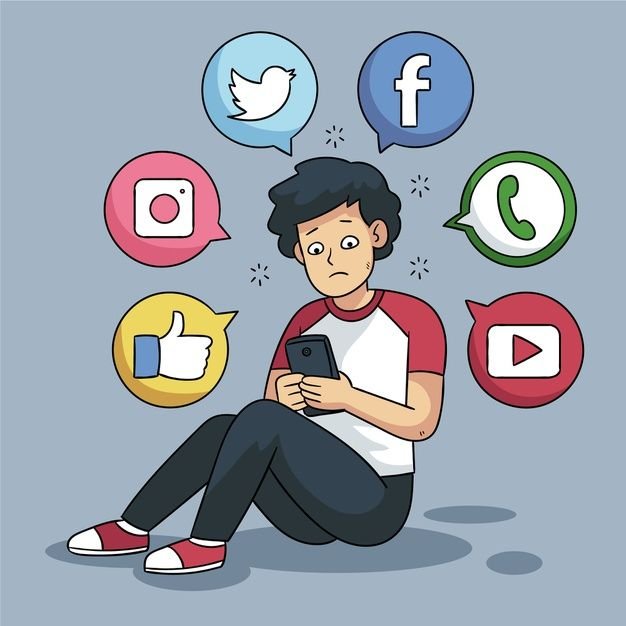
A word shaped by social media
The selection does not mean everyone using “mogging” shares its original ideology. Its wider appeal comes from the way social platforms reward quick comparisons and exaggerated reactions. In its newer form, the word can describe anything that makes a competing person, product or performance look ordinary by comparison.
That journey also shows how quickly niche vocabulary can shed its original context. A term can begin in a small online community, become a meme and then enter everyday speech before traditional reference works have time to document the shift. By choosing “mogging,” Collins is recognizing both the word’s popularity and the competitive digital culture that helped it spread.
Macy’s Thanksgiving Parade Moves to Saturday as Storm Nears

Naomi Ellis
Culture EditorNaomi Ellis covers culture, media, personalities and the ideas influencing how people watch, listen, connect and communicate.
View all 28 stories by this author →Enjoying this story?
Get Lodly in your inbox every morning at 6:00 AM.