Channel 4 says its Huw Edwards documentary confronts the former BBC anchor without payment or editorial control, despite political criticism.
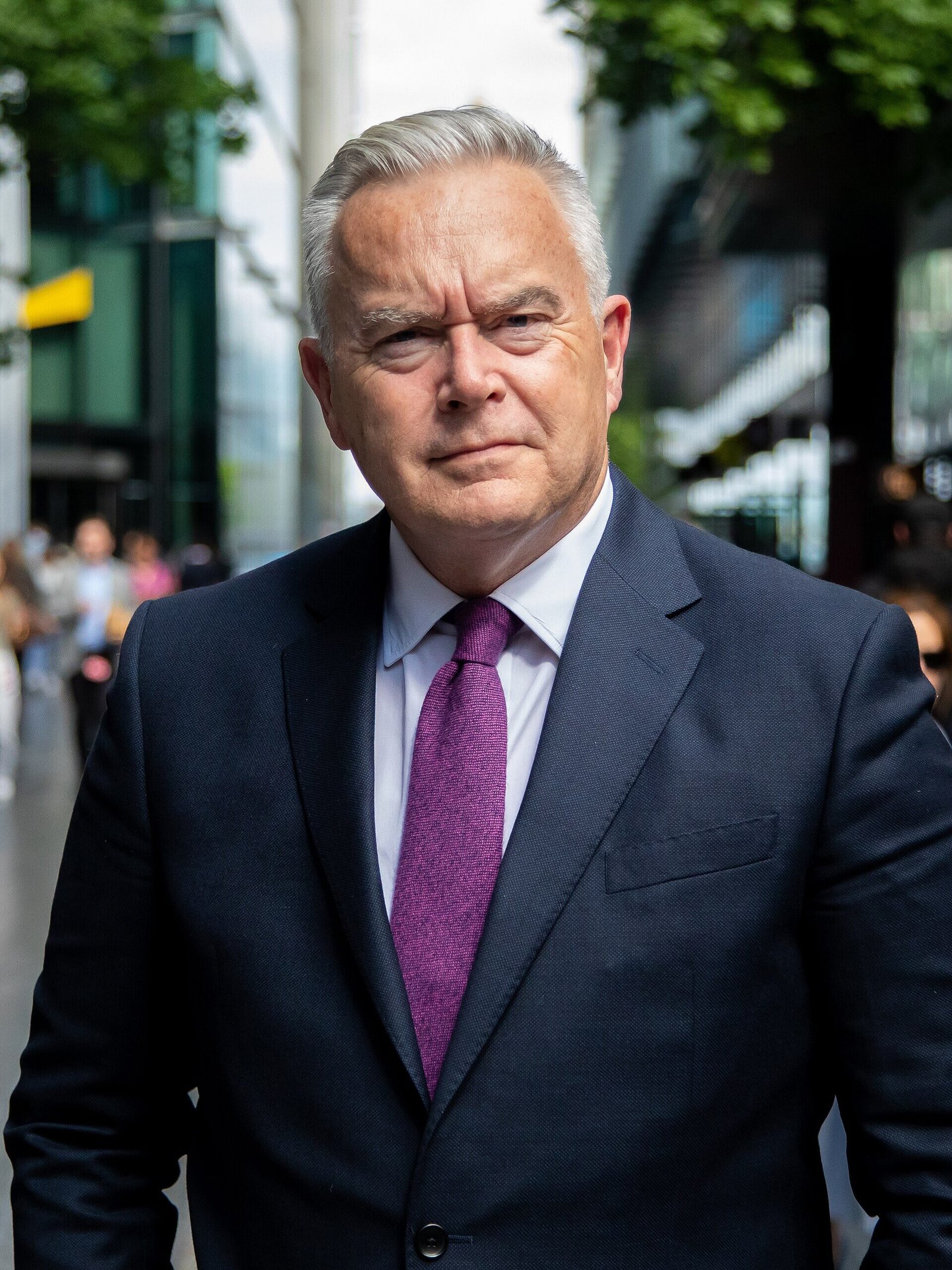
Channel 4 has defended its decision to air a documentary in which former BBC presenter Huw Edwards is questioned about his criminal conduct and collapse from public life. The broadcaster said the film is intended to test his account rather than provide a platform for rehabilitation.
Broadcaster argues the interview serves the public interest
Huw Edwards — Guilty is scheduled to air Tuesday night. The program has drawn criticism from senior political figures and others who argue that Edwards should not be given further attention after pleading guilty to offences involving indecent images of children.
Louisa Compton, Channel 4’s director of news, digital and audience trust, said the decision required balancing difficult questions against the impact on viewers, victims and survivors. She emphasized that Edwards was not paid, had no editorial control and faced unrestricted questioning from the film’s director.
Channel 4 also stressed that interviewing a disgraced public figure does not amount to endorsing that person. Its statement said Edwards’ explanations are presented for scrutiny, not acceptance, and that the documentary examines broader questions about power, trust, accountability and the justice system.
Criticism centers on victims and responsibility
The debate intensified after government criticism of the documentary. Channel 4 acknowledged that the offences involve real victims, including children, and said the film does not reduce the seriousness of that harm or entitle Edwards to sympathy.
Edwards was once among Britain’s most prominent news anchors. The documentary marks his first extended televised questioning about his conviction and the end of his broadcasting career. A trailer shows the interviewer challenging his description of his state of mind, signaling that the conversation will not be conducted on his terms.
The controversy now places the focus on a central editorial question: whether direct confrontation can produce public accountability without allowing the subject to dominate the story. Channel 4’s position is that avoiding the interview would leave significant questions unanswered; critics remain concerned about the attention it gives a convicted former broadcaster.
Nathan Fillion Says Animated ‘Firefly’ Project Is Advancing

Elena Brooks
TV & Movies EditorElena Brooks covers television, movies, streaming releases, casting news, trailers and the biggest stories from screens large and small.
View all 449 stories by this author →Enjoying this story?
Get Lodly in your inbox every morning at 6:00 AM.