Meta used Connect 2026 to expand its smart-glasses strategy with camera-free models, hearing support and a pricier Ray-Ban Gen 3 line.
Meta made smart glasses the defining product category of Connect 2026, using its annual hardware event to show a broader range of wearable designs. The company’s approach now stretches beyond camera-equipped Ray-Ban frames to camera-free audio models, hearing-focused glasses and a more expensive third-generation flagship.
The scale of the push was visible across demonstrations at the event, where many of Meta’s hardware and AI experiences were built around glasses. That breadth suggests the company is trying to turn a still-niche device into an everyday platform for communication, entertainment and artificial intelligence.
Camera-free models widen the pitch
One unreleased audio-only design uses six microphones but no camera, removing the most obvious recording concern associated with smart eyewear. Meta demonstrated the glasses as a hands-free option for music and calls, with planned access to its Muse assistant for spoken requests such as sending emails or reading a to-do list.
A separate model is designed for people with hearing loss. In a hands-on Connect demonstration reported by TechCrunch, the glasses amplified a nearby speaker and allowed the listener to switch between focused and omnidirectional sound. A Meta researcher said the product had been in development for about five years, with a planned price of $150.
Ray-Ban Meta Gen 3 raises the price
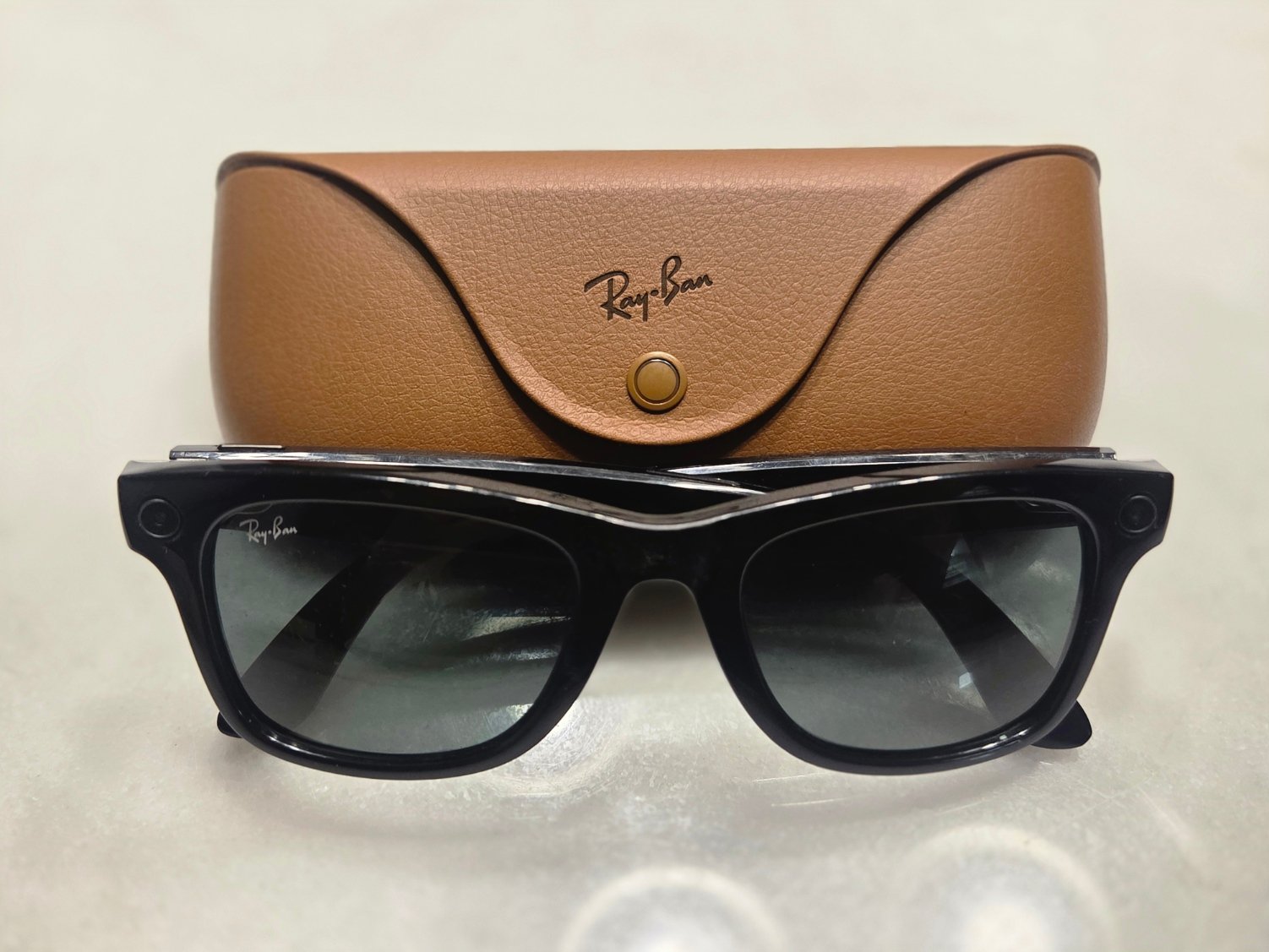
The Ray-Ban Meta Gen 3 remains the company’s flagship camera-equipped option. It starts at $449, which is $70 more than the previous generation. The new model is rated for up to nine hours on one charge and 50 hours with its case, while a six-microphone layout is intended to improve calls and AI interactions in noisy settings.
New Aviator and Zena frame shapes join the familiar Wayfarer look, but many software additions are also expected to reach older Gen 2 glasses. That makes the third-generation model a broader style and hardware refresh rather than a complete reset. Meta’s challenge after Connect will be proving that the larger lineup offers enough practical value for smart glasses to move beyond early adopters.
TikTok Permanently Suspends the ‘Musk’ Documentary Account

Ethan Cole
Technology EditorEthan Cole covers technology, digital platforms, consumer products, artificial intelligence and the technologies shaping modern culture.
View all 48 stories by this author →Enjoying this story?
Get Lodly in your inbox every morning at 6:00 AM.