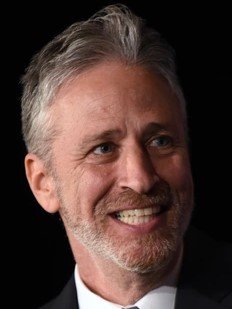
Jon Stewart used The Daily Show to challenge AI self-regulation, focusing on surveillance, job losses and unanswered questions about public risk.
Jon Stewart used the latest episode of The Daily Show to question why artificial-intelligence companies should be trusted to police themselves while their products reshape work, privacy and public safety. The comedian’s monologue focused less on futuristic promises than on the technology’s current uses and the incentives of the executives developing it.
Stewart targets the gap between promises and practice
The segment contrasted claims that AI could eventually cure diseases or create broad prosperity with present concerns about surveillance, drone warfare, cyberattacks and dynamic pricing. Stewart argued that the public is being asked to accept serious risks before the industry has shown how its most ambitious benefits will reach ordinary people.
He also criticized President Donald Trump’s approach to a recent White House gathering with technology leaders. Stewart framed voluntary oversight as a conflict of interest, asking why companies racing for market share should be expected to impose meaningful limits on themselves.
Jobs and accountability drive the argument
Employment was another central theme. Stewart played clips of industry figures predicting that AI would eliminate some roles while creating new kinds of work and wider economic gains. His response centered on the lack of specific answers about which jobs would appear, who would benefit and what would happen to people displaced during the transition.
The episode later featured Jacob Coxon, a former researcher at Anthropic and OpenAI, extending the conversation beyond the opening monologue. That interview gave the show an industry perspective after Stewart’s satirical critique of corporate messaging.
The segment arrived during a week dominated by major media-business news, yet Stewart devoted his program to AI rather than the new Skydance corporate structure affecting Comedy Central’s parent company. That editorial choice kept the focus on a broader public debate: whether rapid deployment should continue while regulation, labor protections and safety standards struggle to catch up.
Stewart did not present a detailed policy plan. His core demand was simpler—slow the rollout enough for democratic institutions and affected communities to examine the tradeoffs before private companies set the rules by default.
TikTok Permanently Suspends the ‘Musk’ Documentary Account

Ethan Cole
Technology EditorEthan Cole covers technology, digital platforms, consumer products, artificial intelligence and the technologies shaping modern culture.
View all 48 stories by this author →Enjoying this story?
Get Lodly in your inbox every morning at 6:00 AM.