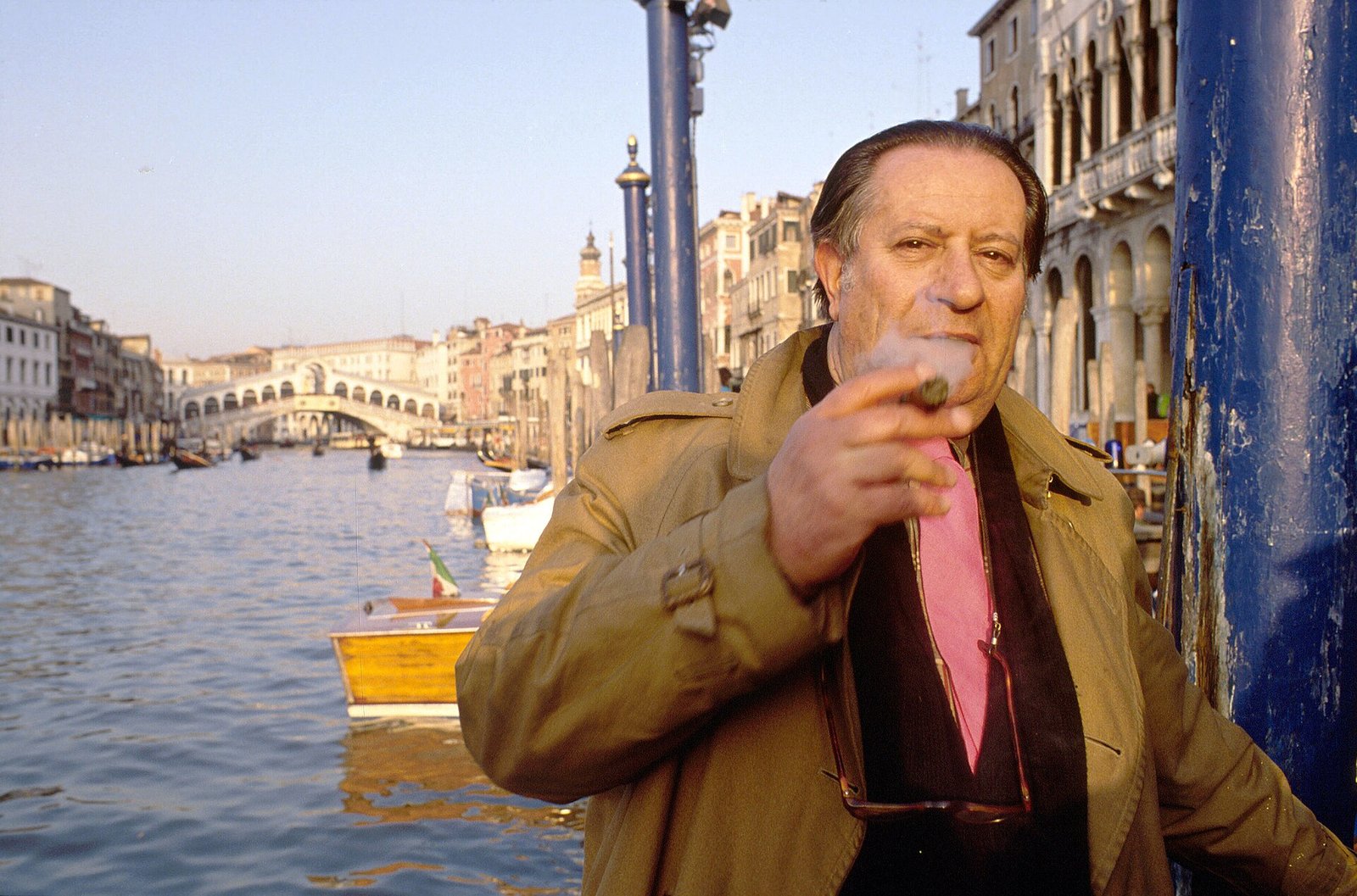
Italian director Tinto Brass, whose career ran from experimental cinema to the controversial epic Caligula, has died in Rome at age 93.
Italian filmmaker Tinto Brass, the provocative director whose career stretched from avant-garde cinema to the notorious historical epic Caligula, has died in Rome at 93. His wife, Caterina Varzi, and his children, Bonifacio and Beatrice Brass, announced his death to the Italian news agency Ansa. No cause was disclosed.
Brass became internationally identified with erotic cinema, but his filmography was broader and more experimental than that label suggests. Born in Milan in 1933 and raised in a Venetian family, he studied law in Padua before moving to Paris in the late 1950s. There he entered the orbit of the Cinémathèque française and worked around filmmakers including Joris Ivens and Roberto Rossellini.
From experimental cinema to controversy
His 1963 feature debut, later known as Who Works Is Lost, followed a disaffected young man in Venice and established Brass as an irreverent stylist willing to challenge convention. During the 1960s and early 1970s, he moved among satire, westerns, thrillers and experimental shorts. Works from that period included Yankee, Deadly Sweet and Dropout.
The turn toward erotic historical drama came with Salon Kitty in 1976. Three years later, Caligula placed him at the center of one of cinema’s most contested productions. Written by Gore Vidal and produced by Penthouse founder Bob Guccione, the film featured Malcolm McDowell, Helen Mirren, Peter O’Toole and John Gielgud. Brass clashed with the production over its final form, and the movie was repeatedly re-edited before its release.
A complicated cinematic legacy
Caligula was a commercial and critical failure in its initial U.S. release, yet it developed a lasting cult reputation. A substantially reconstructed 178-minute “Ultimate Cut,” assembled without using Brass’ original edit, premiered at Cannes in 2023 and prompted a new round of debate about the film and its authorship.
Brass continued making films that tested censorship and conventional ideas of taste, including The Key. At the same time, restorations of his earlier work brought renewed attention to his formal experimentation. His death closes a career defined not by consensus, but by persistent arguments over artistic control, sexuality and the limits of mainstream cinema.
Keanu Reeves Returns for an Animated John Wick Prequel

Elena Brooks
TV & Movies EditorElena Brooks covers television, movies, streaming releases, casting news, trailers and the biggest stories from screens large and small.
View all 338 stories by this author →Enjoying this story?
Get Lodly in your inbox every morning at 6:00 AM.