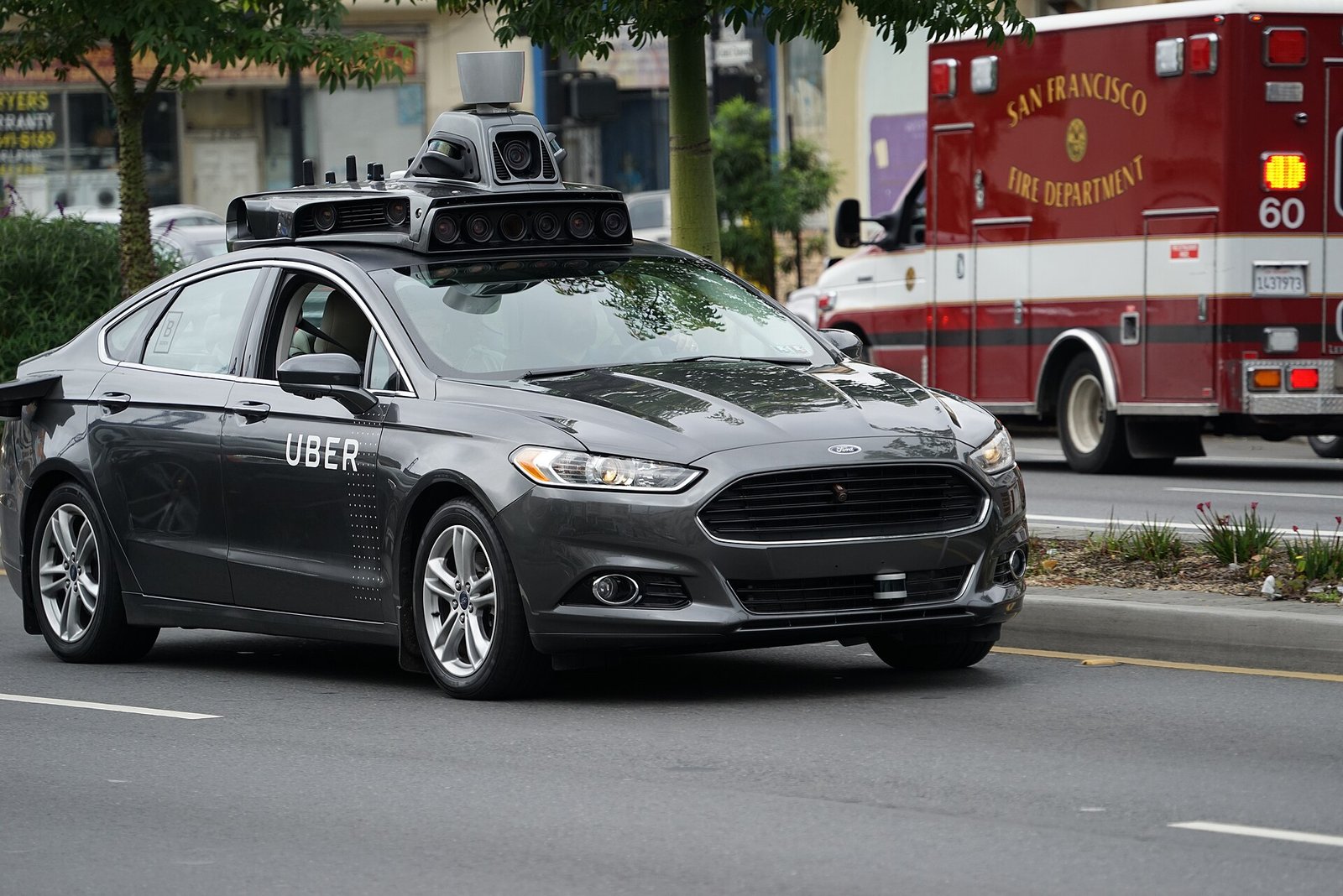
Uber and Wayve have launched London’s first commercial robotaxi service, using supervised Ford Mustang Mach-E vehicles for regular ride requests.
Uber and British autonomous-driving company Wayve have launched London’s first commercial robotaxi service. The vehicles can now be matched with customers requesting UberX, Uber Comfort or Uber Electric rides, although a licensed human safety driver will remain in the front seat during the initial phase.
How London riders may encounter a robotaxi
Customers can indicate in the Uber app that they are open to an autonomous ride. A preference does not guarantee a robotaxi, but riders selected for one will receive a notification before the car arrives and can choose a conventional vehicle instead.
The first fleet uses Ford Mustang Mach-E vehicles fitted with Wayve’s driving system. Uber says pricing will match its standard rides, and the app will not automatically prompt passengers to tip after an autonomous trip. Riders can still add a tip manually through their trip history.
Transport for London requires a licensed safety driver to supervise each vehicle at this stage. The arrangement makes the service a commercial introduction to autonomous ride-hailing rather than a fully driverless operation. Uber says those supervisors will be phased out gradually if the technology and regulatory framework allow.
Wayve takes a different technical route
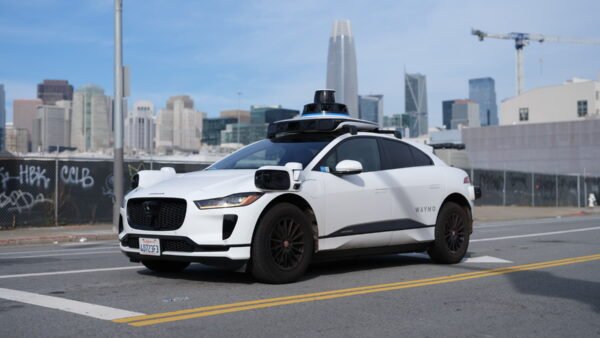
Wayve’s system uses cameras and radar but does not rely on lidar or detailed high-definition maps. The company describes its approach as a learned “AI driver” designed to adapt to new roads, weather and traffic conditions instead of operating only inside a tightly mapped virtual boundary.
That claim will now face a demanding real-world test in London. The city’s dense streets, changing weather and mix of cars, cyclists and pedestrians make it a prominent proving ground for autonomous technology. Uber and Wayve say the service will not be limited by a conventional geofence, though each trip remains subject to availability and human supervision.
Uber will maintain the cars with fleet operator Otto Car, while Wayve remains responsible for the autonomous-driving software. Nissan Leaf vehicles are expected to join the fleet later. The launch also puts Uber ahead of other announced London robotaxi efforts: Waymo has said it plans to begin service before the end of the year, while Lyft and Baidu have outlined a separate rollout.
For passengers, the immediate change is modest but tangible: an ordinary ride request may now arrive in a car controlled by software, with a person still present to oversee the journey. The larger test is whether Londoners accept that experience as a routine part of urban transportation.
Disney Names Karandeep Anand as Its First Chief Technology Officer

Ethan Cole
Technology EditorEthan Cole covers technology, digital platforms, consumer products, artificial intelligence and the technologies shaping modern culture.
View all 24 stories by this author →Enjoying this story?
Get Lodly in your inbox every morning at 6:00 AM.