Danny Boyle says Ink uses about 30 seconds of generative AI to animate archival photos and create brief shots of mice in the newsroom.
Danny Boyle says his new film Ink contains roughly 30 seconds of generative-AI material, a limited but notable choice that has already become part of the conversation around the Venice opener. The director described the technology as a tool used to animate old photographs and create shots involving mice in The Sun newsroom.
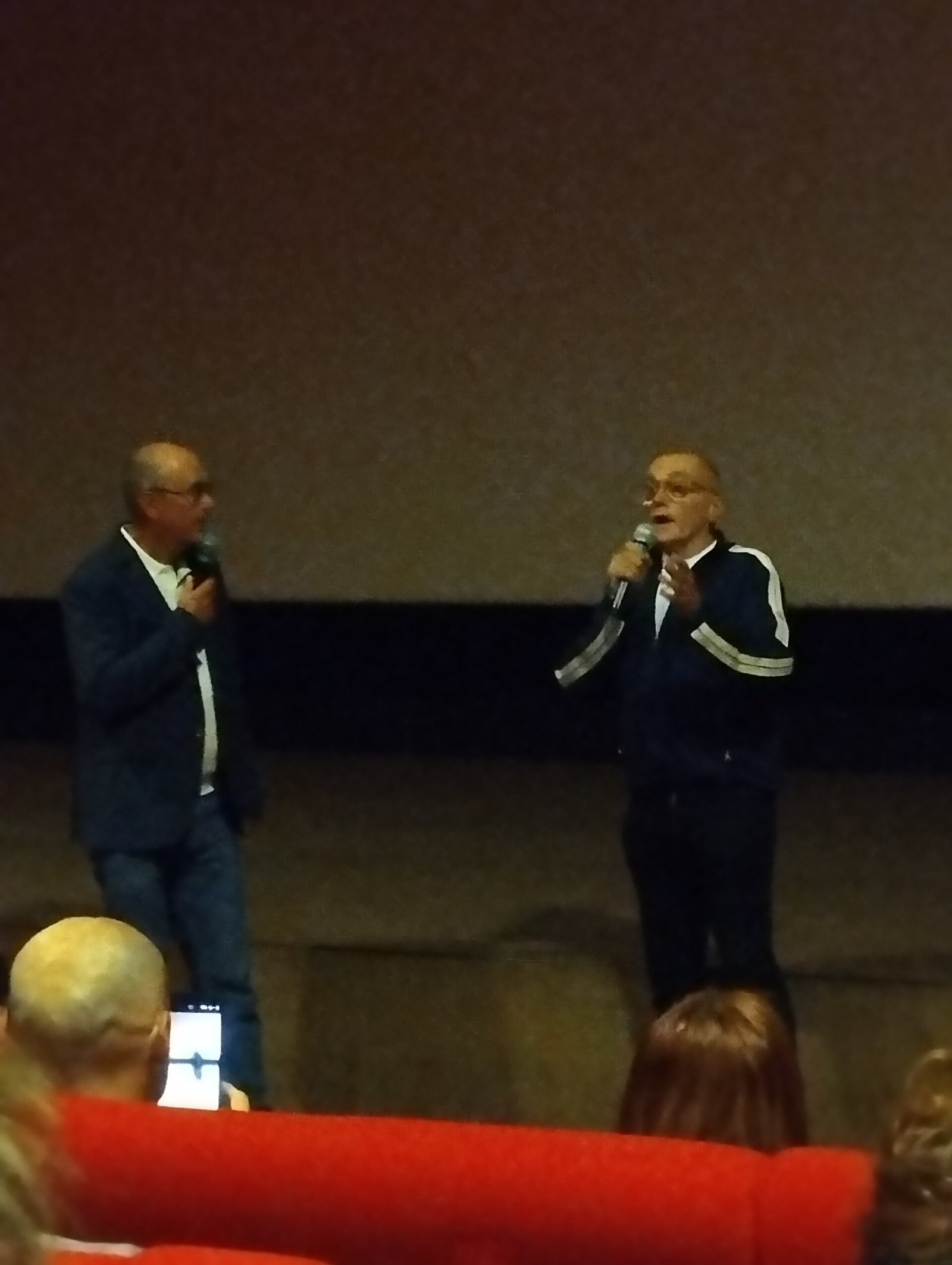
Boyle discussed the decision in a video interview with Vanity Fair from the Telluride Film Festival. He said AI can be useful when it is applied respectfully, while adding an important condition: performers should be paid if filmmakers use the technology to replace them with a synthetic version.
A small amount of AI inside a very human story
The admission adds another layer to a film centered on how media technology, ambition and audience appetite can reshape public life. Ink follows publisher Rupert Murdoch and editor Larry Lamb as they rebuild The Sun in 1969. Guy Pearce plays Murdoch, Jack O’Connell portrays Lamb and Claire Foy appears as Jules Davies.
La Biennale di Venezia selected the movie to open its 83rd film festival in competition on September 2. Vanity Fair’s preview described James Graham’s screenplay as an adaptation of his stage play and reported that the film is scheduled for a theatrical release in December before reaching Netflix in January.
The AI footage appears to be brief, but the timing makes the disclosure significant. Generative tools remain a live issue for actors, writers and visual-effects workers, particularly when a production’s methods are not obvious to viewers. Boyle’s explanation gives audiences a clearer account of where the technology appears and what it was intended to do.
Boyle also questions AI’s power over journalism
Boyle’s position is not a simple endorsement. At Venice, he warned that cheaper automated systems could displace journalists and asked whether an AI reporter would challenge the same companies that created it. That concern connects directly to Ink, a drama about the commercial forces that transformed a newspaper and influenced modern media.
By confirming the footage rather than leaving viewers to speculate, Boyle has made the production choice part of the film’s public record. The debate now moves beyond whether AI was used to the harder questions: how clearly it should be disclosed, who should be compensated and where filmmakers should draw the line.
TikTok Permanently Suspends the ‘Musk’ Documentary Account

Ethan Cole
Technology EditorEthan Cole covers technology, digital platforms, consumer products, artificial intelligence and the technologies shaping modern culture.
View all 48 stories by this author →Enjoying this story?
Get Lodly in your inbox every morning at 6:00 AM.