BBC chief Matt Brittin says he watched a 50-minute AI-generated Doctor Who episode, calling it “pretty good” but no human replacement.
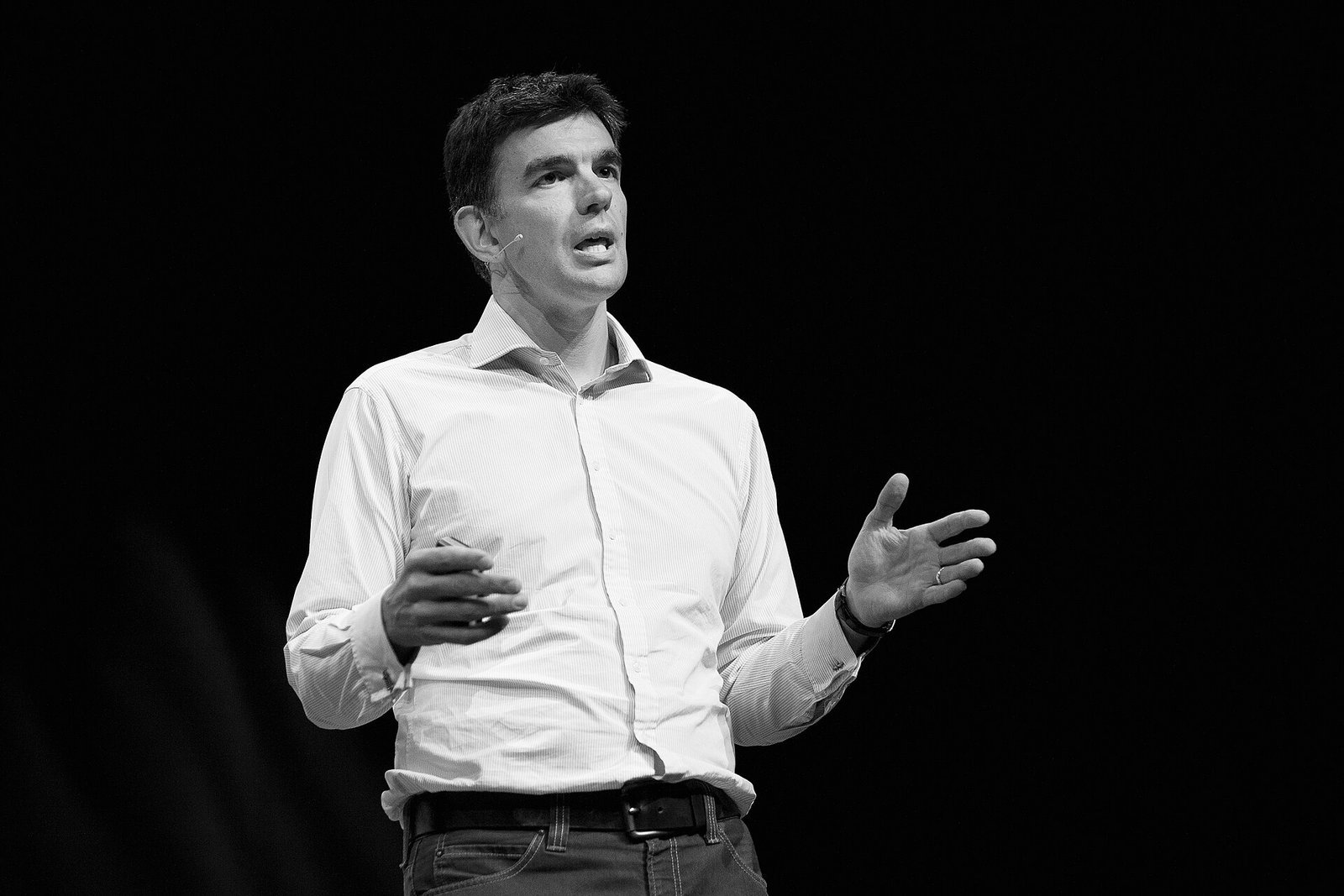
BBC director-general Matt Brittin says he recently watched a 50-minute episode of “Doctor Who” created entirely with artificial intelligence—and his verdict was more positive than many television professionals might expect. Speaking at the Royal Television Society conference in London, Brittin described the unsolicited production as “pretty good,” while stressing that it was not about to replace human creators.
Brittin did not identify the person who made the episode or explain how it was produced. He also offered no details about its plot, whether it copied the likenesses or voices of existing cast members, or whether it created an entirely new version of the Doctor. Those omissions leave the most important practical and rights questions unresolved.
A demonstration, not a BBC commission
Nothing in Brittin’s remarks indicated that the AI episode was commissioned, licensed or scheduled for broadcast by the BBC. Instead, he presented it as evidence of how quickly production tools are becoming available to ordinary users. His broader point was that billions of people can now attempt work that once required the resources of a professional studio.
The distinction matters. “Doctor Who” is a six-decade-old franchise with recognizable characters, performers and visual trademarks. A fan-made technical demonstration can be impressive without meeting the creative, legal or editorial standards required for television. Brittin’s comments acknowledged the technical leap but stopped short of endorsing the mystery episode as a finished program.
The BBC’s AI debate is becoming concrete
Brittin, who joined the BBC earlier this year after 18 years at Google, made the remarks during an industry convention where artificial intelligence was a dominant topic. He has also said the broadcaster could allow an AI-made and AI-presented program within defined guardrails, suggesting that the discussion is moving from abstract policy toward controlled experiments.
For writers, actors and producers, the key questions remain human ones: consent, compensation, authorship and accountability. The 50-minute “Doctor Who” experiment shows that generating a long-form imitation is now possible enough to reach the BBC’s top executive. Whether such work can be made transparently and responsibly is a separate test—and Brittin did not claim that this unnamed episode had passed it.
TikTok Permanently Suspends the ‘Musk’ Documentary Account

Ethan Cole
Technology EditorEthan Cole covers technology, digital platforms, consumer products, artificial intelligence and the technologies shaping modern culture.
View all 48 stories by this author →Enjoying this story?
Get Lodly in your inbox every morning at 6:00 AM.