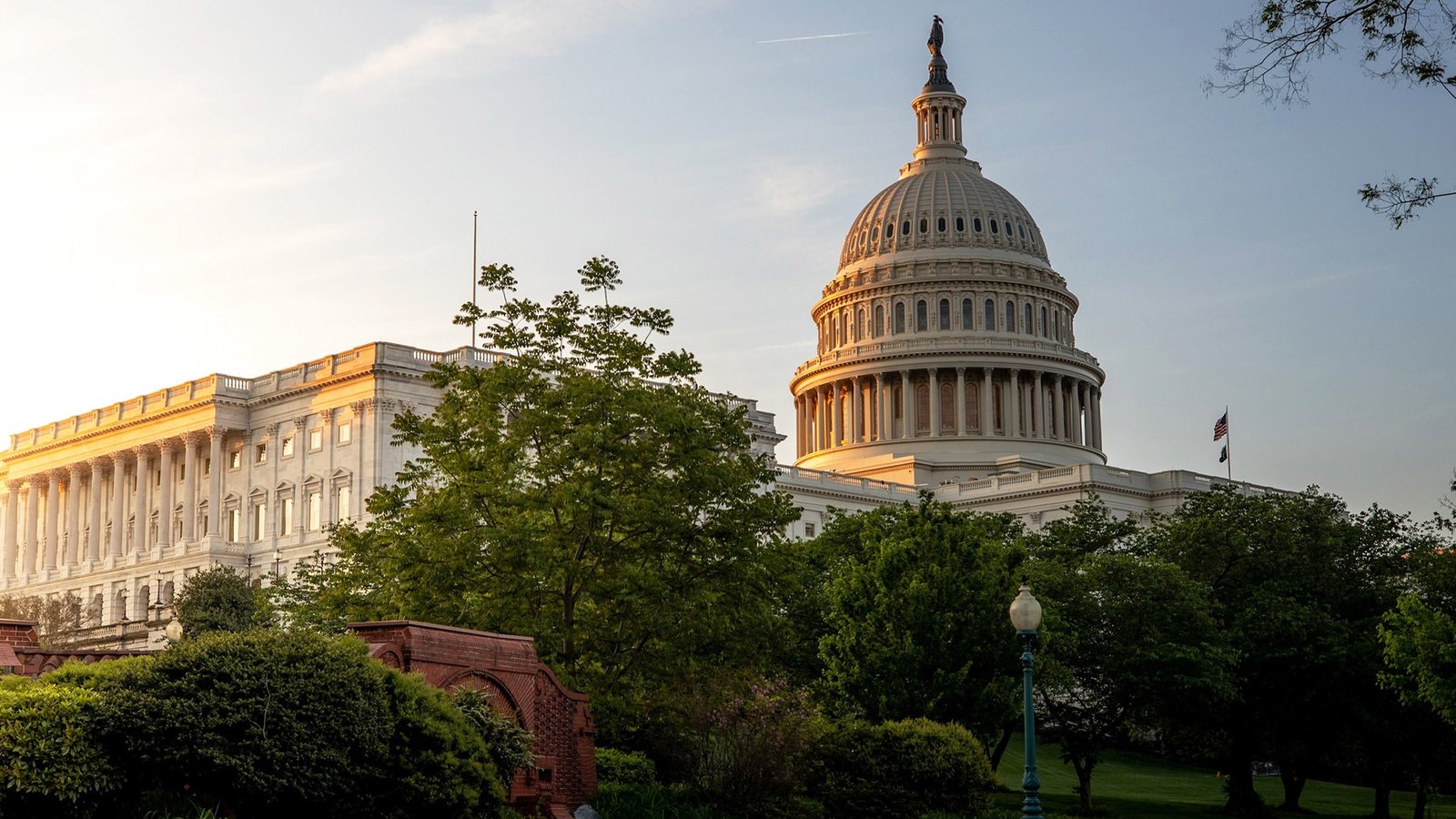
A bipartisan bill would create a 20% federal film and TV tax credit, with bonuses that could lift qualifying productions to 30%.
A bipartisan group of U.S. lawmakers has introduced legislation that would create a 20% federal tax credit for qualifying film and television production. The proposal, called the Motion Picture, Television, and Entertainment Revitalization Act, is designed to encourage more production work to remain in the United States.
The bill would cover films, television series, pilots, animation, post-production and visual-effects work. To qualify, a film or television season would generally need at least $1 million in spending, while at least 75% of production days would have to take place in the United States. Animation would face a similar 75% domestic-spending test.
Bonuses could lift the credit to 30%
The base incentive could rise through additional five-percentage-point bonuses, capped at 30%. The proposed uplifts include work in rural opportunity zones or federally declared disaster areas, independent productions, projects that spend at least $10 million across 10 states in one year, and companies that increase domestic production compared with an established overseas base.
The proposal would also allow the federal credit to be combined with state incentives. Transferability is included as well, which would let a production sell the credit to another taxpayer—an important feature for companies that cannot use its full value directly.
Not every production would qualify
The measure draws clear lines around eligible entertainment work. News programming, live sports, commercials, talk and interview shows, game and award shows, daytime dramas, corporate videos and social-media videos are among the excluded formats. Non-U.S. labor, non-labor expenses and backend compensation would also fall outside the credit.
Supporters in both chambers are backing matching versions of the legislation, but introduction is only the opening stage of the congressional process. The bill still needs committee action and approval in the House and Senate before it could become law. Until then, the percentages and eligibility rules remain a proposal rather than an available production incentive.
If enacted, the plan would add a national layer to the state-by-state incentive system that studios and independent producers already navigate. Its ultimate impact would depend not only on the headline rate, but also on which projects meet the domestic-work rules and how the credit is implemented.
James McAvoy Reveals His Young Picard Series Pitch

Maya Bennett
Entertainment EditorMaya Bennett covers entertainment news, major cultural moments and the stories shaping what audiences are watching and talking about.
View all 52 stories by this author →Enjoying this story?
Get Lodly in your inbox every morning at 6:00 AM.