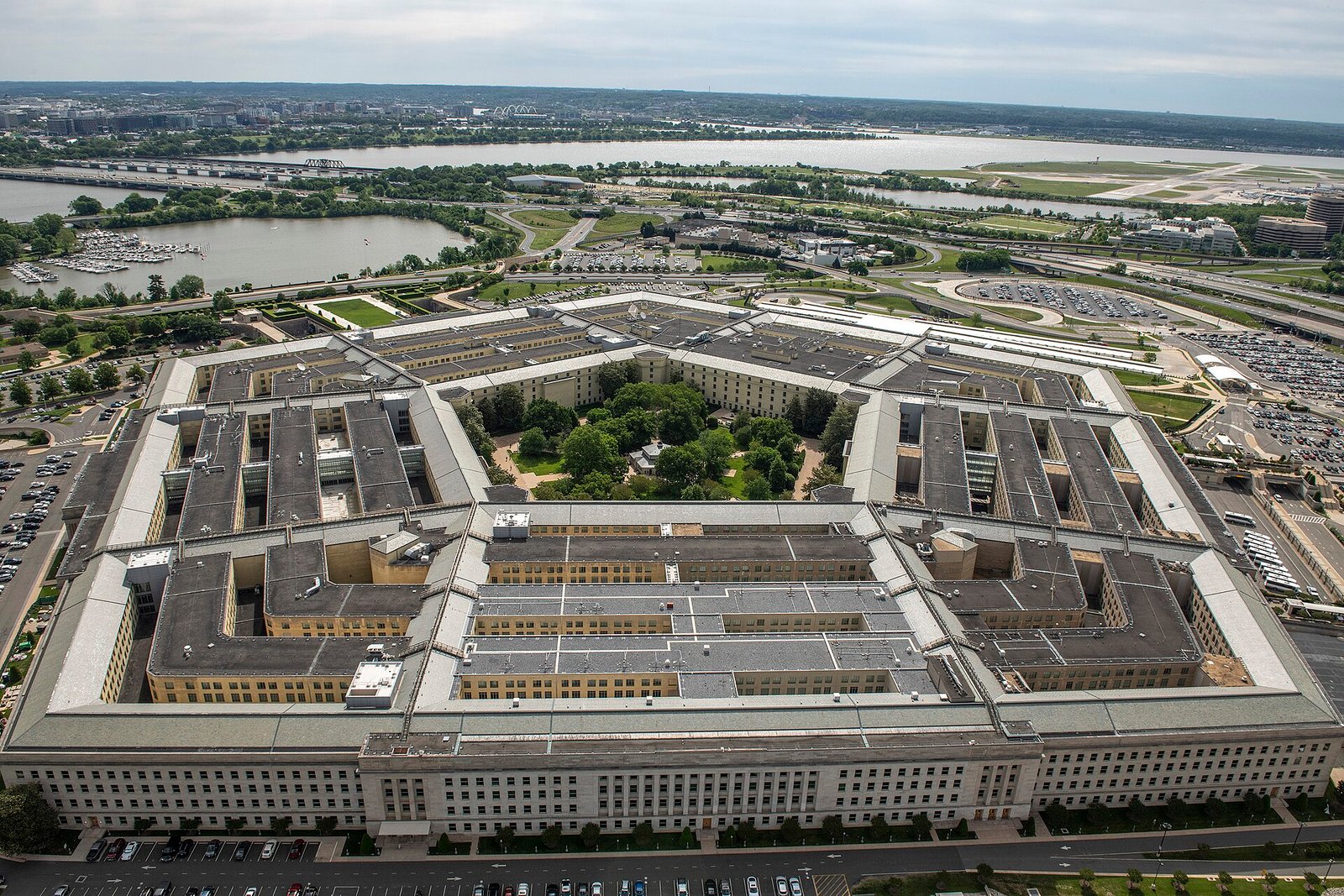
A federal judge ruled that the Pentagon unlawfully blacklisted Anthropic after the AI company resisted demands to weaken safety restrictions.
A federal judge has ruled that the Pentagon unlawfully designated Anthropic as a supply-chain risk, handing the artificial-intelligence company a major victory in its conflict with the Trump administration. The decision restricts enforcement of measures that pushed federal agencies away from Anthropic’s Claude models.
The court rejected a national-security justification
U.S. District Judge Rita F. Lin described the designation as illegal and unsupported, according to reports by The Verge and Engadget. In a 59-page decision, she wrote that invoking national security did not give the government unlimited authority to punish a company for criticizing official policy.
The court found that the administration’s actions amounted to unlawful retaliation linked to Anthropic’s public positions on military AI. Lin barred certain federal agencies from enforcing the order while the broader dispute continues.
Anthropic welcomed the ruling and said it remained willing to work with the government on national-security applications. The company has promoted Claude as a tool for government and defense work, but it has maintained restrictions against mass surveillance and fully autonomous weapons.
A fight over who sets military AI limits
The conflict escalated earlier this year after Defense Department officials pressed Anthropic to loosen safeguards on how its technology could be used. Chief executive Dario Amodei refused to remove the company’s stated red lines. The administration then ordered federal agencies to phase out Anthropic services over six months and labeled the company a supply-chain risk, an unusually severe designation for a U.S. technology developer.
The ruling does not settle every policy disagreement between the Pentagon and AI developers. It does, however, limit the government’s ability to use procurement and security designations as leverage against a company’s published AI safety rules. The case is likely to influence how other technology firms negotiate the boundaries of military contracts and model deployment.
TikTok Permanently Suspends the ‘Musk’ Documentary Account

Ethan Cole
Technology EditorEthan Cole covers technology, digital platforms, consumer products, artificial intelligence and the technologies shaping modern culture.
View all 48 stories by this author →Enjoying this story?
Get Lodly in your inbox every morning at 6:00 AM.