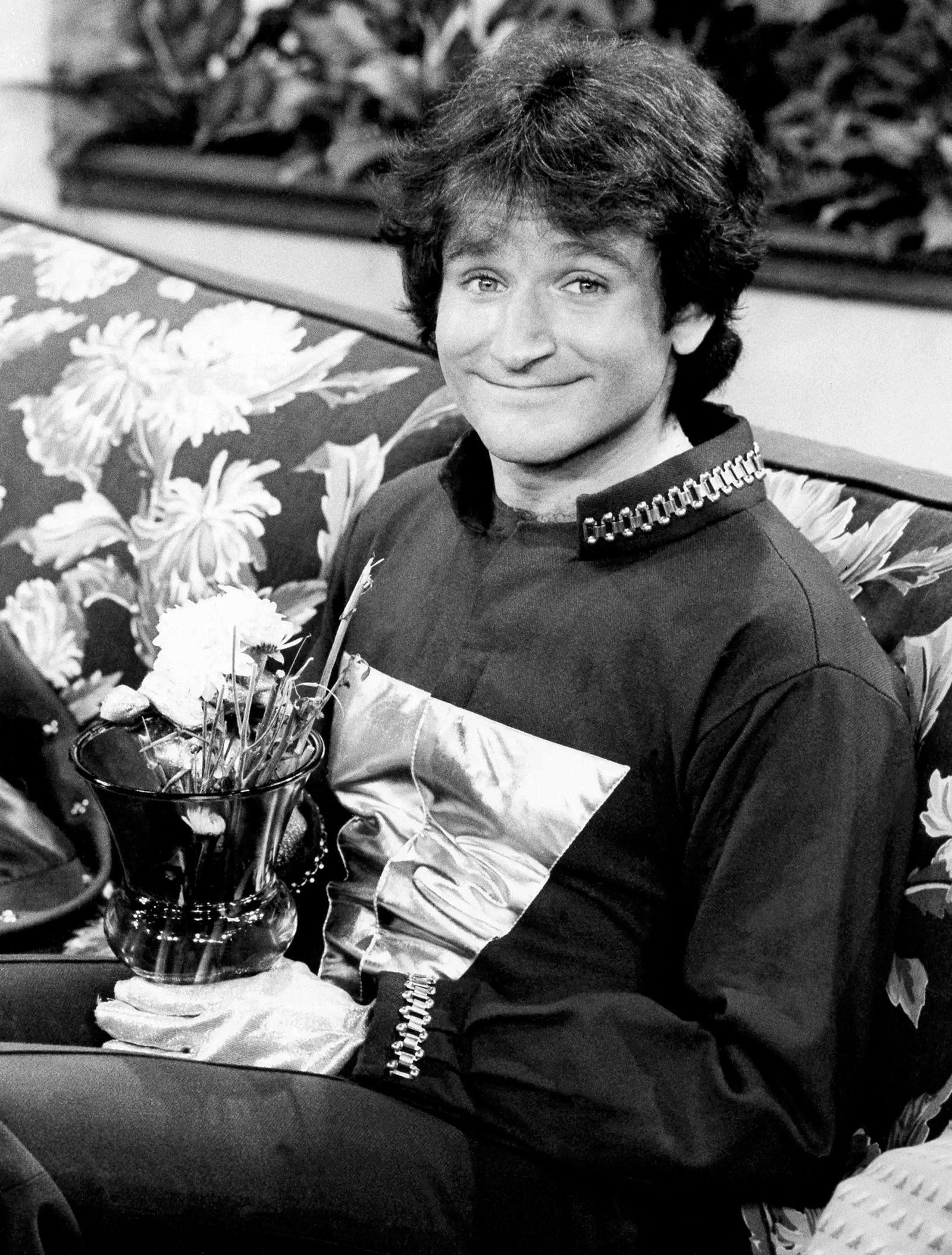
Zelda Williams has renewed her call for fans to stop creating and sharing AI-generated videos that imitate her late father, Robin Williams.
Zelda Williams is again asking people to stop using artificial intelligence to manufacture videos of her late father, Robin Williams. Her latest statement responded to a clip presented as a private recording in which the actor appeared to discuss conspiracy theories.
A direct warning about a fabricated clip
Writing on X on September 21, Zelda said the circulating video was clearly generated and did not convincingly reproduce her father’s voice. She challenged people who describe themselves as fans but continue to make or share simulations that place new words in his mouth.
The filmmaker’s objection went beyond the technical quality of the clip. She argued that using a dead performer as a persuasive prop is itself a form of manipulation, especially when the person can no longer consent, correct the record or reject the message attached to the imitation.
Zelda also reminded followers that death does not turn a public figure into a digital puppet. Her language was blunt, but the request was simple: let Robin Williams rest rather than treating his likeness as raw material for invented statements.
This is not her first appeal
In October 2025, Zelda publicly asked people to stop sending her AI-generated videos of her father. She returned to the subject again as she and her brothers, Zak and Cody, revived Robin’s official Instagram presence to preserve memories of him with greater care and authenticity.
Robin Williams died in 2014 at age 63. His performances in films including Good Will Hunting, Mrs. Doubtfire and Dead Poets Society remain widely watched, making his face and voice especially recognizable—and especially vulnerable to convincing synthetic reuse.
A wider issue for entertainment
The episode illustrates how generative tools can blur the line between tribute and impersonation. A fan-made image may appear harmless, but a fabricated video that assigns political or conspiratorial claims to a deceased actor can be mistaken for evidence once it is separated from its original context.
Zelda’s appeal therefore carries a broader message for audiences: verify sensational clips before sharing them, and consider whether the person being recreated—or the family protecting that legacy—ever agreed to the use.
TikTok Permanently Suspends the ‘Musk’ Documentary Account

Ethan Cole
Technology EditorEthan Cole covers technology, digital platforms, consumer products, artificial intelligence and the technologies shaping modern culture.
View all 48 stories by this author →Enjoying this story?
Get Lodly in your inbox every morning at 6:00 AM.