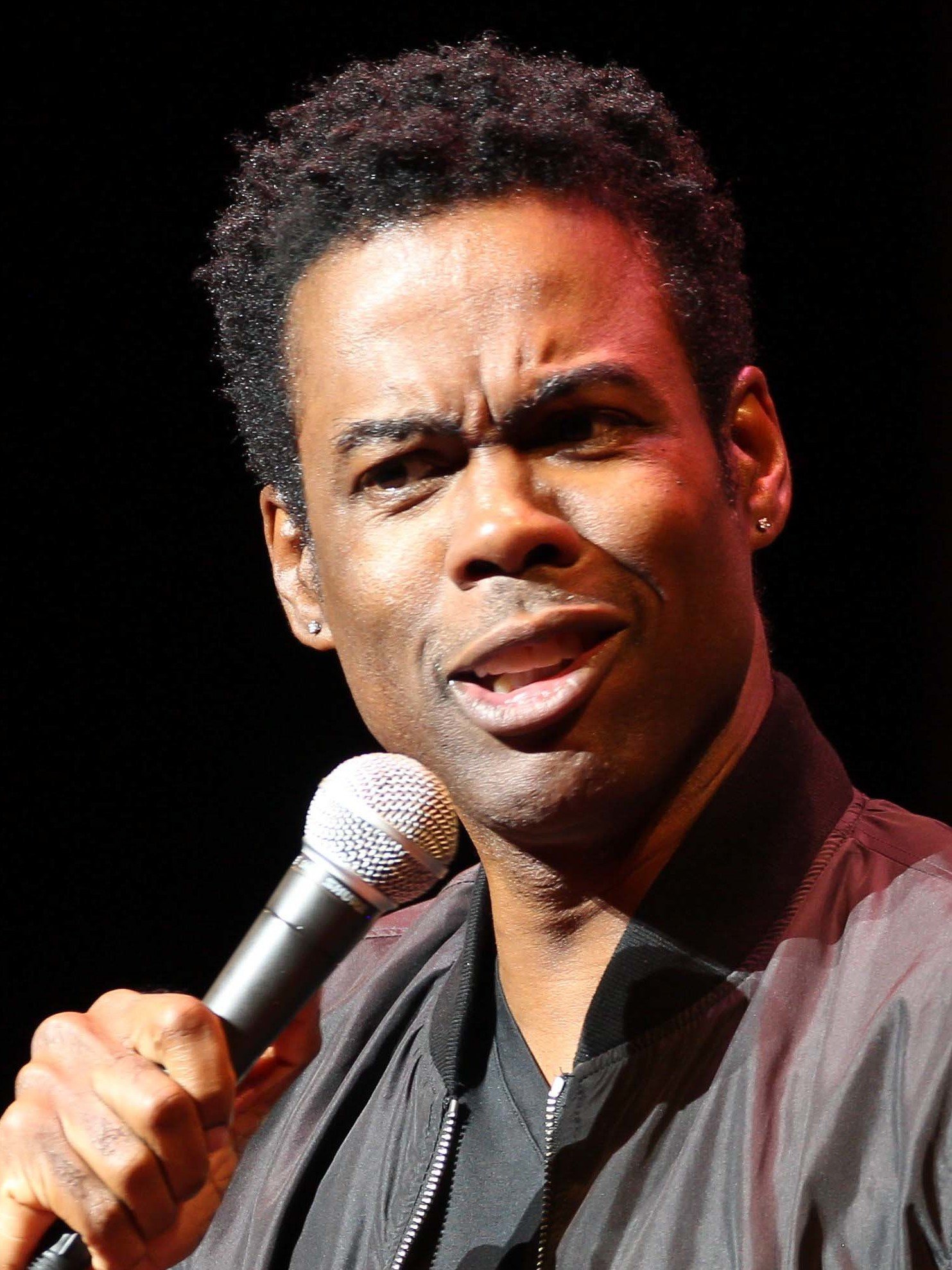
Chris Rock says accountability should protect marginalized voices while still allowing people a meaningful path toward forgiveness.
Chris Rock is asking audiences to hold two ideas at once: people should face consequences for harmful behavior, but public accountability should not eliminate the possibility of forgiveness. The comedian developed that argument during a new long-form interview released while he promotes his film Misty Green.
Rock draws a line between forgiveness and approval
Speaking with David Marchese for The Daily, Rock praised efforts that gave marginalized people a stronger voice after George Floyd’s death. His concern, as he described it, is what happens when outrage becomes an institution that must keep finding new targets.
Rock used the Salem witch trials as a deliberately provocative analogy for that cycle. He also stressed that forgiving someone is not the same as excusing abuse. Friends can reprimand one another and still remain friends, he argued, framing accountability as part of a relationship rather than its automatic ending.
The distinction matters because Rock did not dismiss the social changes he was discussing. He said he was glad the broader reckoning happened because it opened space for voices that might otherwise have been ignored. His criticism focused instead on permanence: whether one mistake should define a person forever and whether communities can correct behavior without treating every failure as irredeemable.
The conversation connects to his new film
The interview arrives as Rock promotes Misty Green, a Hollywood drama he wrote and directed and in which he also appears. The story centers on an award-winning actress trying to revive a career that has faded, giving Rock another way to examine second chances, aging and the entertainment industry’s appetite for reinvention.
Rock has described the film as a portrait of Los Angeles and its contradictions, including extreme wealth existing beside visible homelessness. That backdrop makes his comments about judgment and forgiveness feel less like a detached culture-war argument and more like part of the movie’s wider interest in who receives another opportunity.
His position will not end the debate over cancel culture, and his language is designed to provoke. Still, the interview offers a more layered argument than a simple rejection of accountability: Rock supports speaking up and confronting misconduct while questioning a culture that can leave no path back.
‘DWTS’ Suspends Val Chmerkovskiy for One Week

Jordan Blake
Celebrity EditorJordan Blake covers celebrity news, public appearances, relationships, major announcements and trending stories from the entertainment world.
View all 199 stories by this author →Enjoying this story?
Get Lodly in your inbox every morning at 6:00 AM.