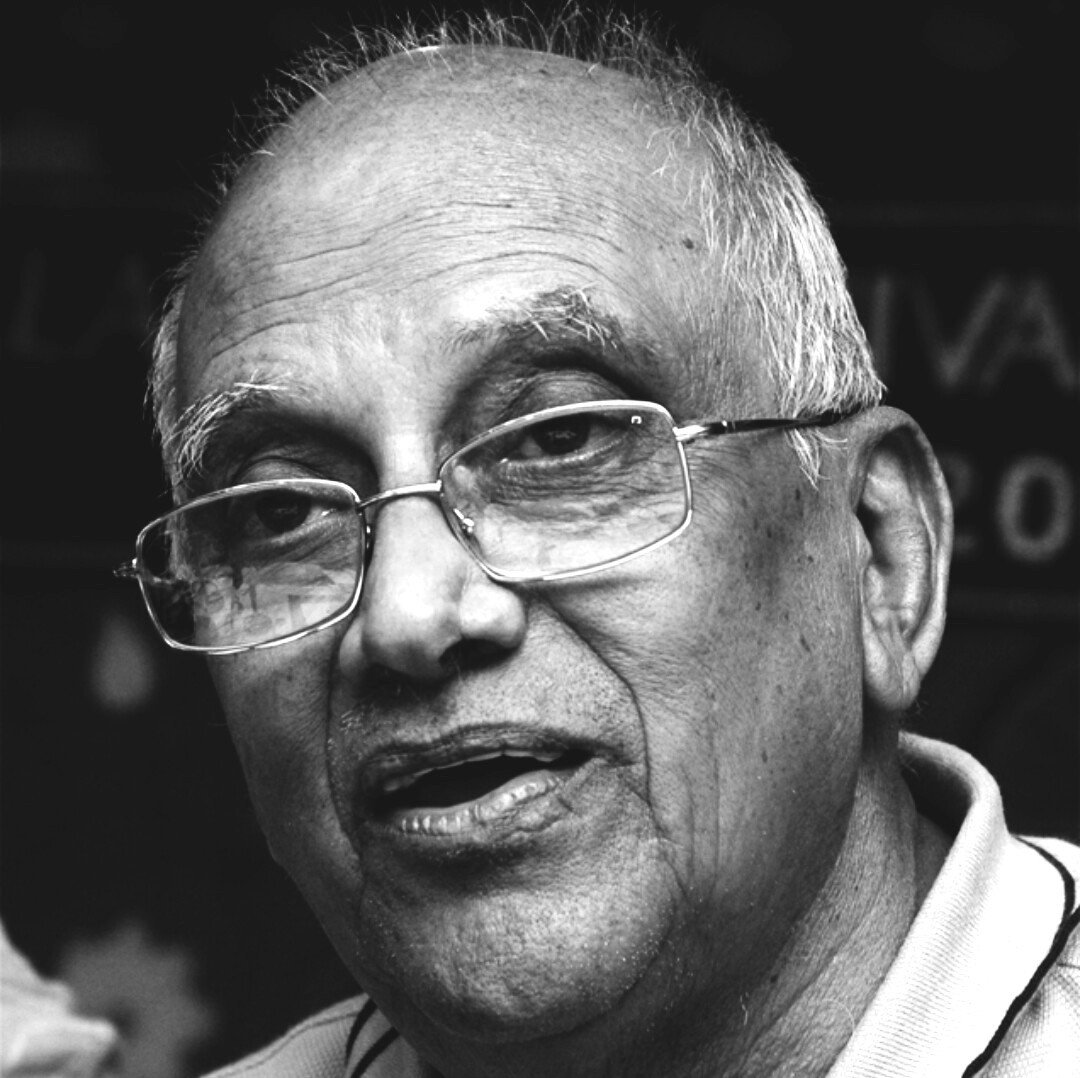
Indian filmmaker Singeetham Srinivasa Rao, known for ‘Pushpaka Vimana’ and ‘Aditya 369,’ has died after a six-decade career.
Singeetham Srinivasa Rao, the Indian filmmaker whose six-decade career moved freely through comedy, fantasy, science fiction and drama, died on October 3 at a Chennai hospital. Indian outlets reported that he was 94.
Rao was celebrated for an unusually adventurous body of work across Telugu, Tamil, Kannada and Hindi cinema. His films repeatedly tested what popular filmmaking could do, from the dialogue-free black comedy Pushpaka Vimana to the time-travel adventure Aditya 369.
A career built on experimentation
Born in 1931 in Gudur, in present-day Andhra Pradesh, Rao began his career as an assistant to director K. V. Reddy. His early credits included work on films such as Mayabazar and Jagadeka Veeruni Katha, before he made his own directorial debut with the 1972 Telugu film Neeti Nijayiti.
He went on to direct widely recognized titles including Mayuri, Apoorva Sagodharargal, Michael Madana Kama Rajan, Magalir Mattum and Bhairava Dweepam. His range allowed him to move between technically ambitious stories and character-driven comedy without being confined to one language or genre.
Rao’s 1974 film Dikkatra Parvathi won the National Film Award for best feature film in Tamil. Tharam Marindi, released in 1977, received a Nandi Award for best feature film, adding institutional recognition to a career also defined by broad audience affection.
Indian filmmakers remember a risk-taker
Tributes arrived from several generations of Indian cinema. Kamal Haasan, who worked with Rao on multiple films, praised the director’s way of living and creating. S. S. Rajamouli remembered him as a filmmaker who imagined beyond the tools and budgets available to him.
Rao remained active into the final year of his life. His musical fantasy Sing Geetham, described by Indian coverage as his last directorial work, was released only months before his death.
That late project completed a career marked less by a single signature style than by a persistent willingness to try something unfamiliar. Rao’s legacy rests in the films themselves and in the creative permission they gave later directors to cross genres, languages and technical limits.
‘Dirty Dancing’ Sequel Will Honor Patrick Swayze’s Legacy

Elena Brooks
TV & Movies EditorElena Brooks covers television, movies, streaming releases, casting news, trailers and the biggest stories from screens large and small.
View all 249 stories by this author →Enjoying this story?
Get Lodly in your inbox every morning at 6:00 AM.