Xreal launches Aura smart glasses with Android XR, Gemini and spatial apps at a promotional $1,099, with shipping expected in November.
Xreal has launched its Aura smart glasses with Android XR, putting Google’s extended-reality platform into a lighter wearable built around virtual screens, apps and Gemini. The entry model is selling for a promotional $1,099 through the end of 2026, below its regular $1,279 price.
A headset split between glasses and a puck
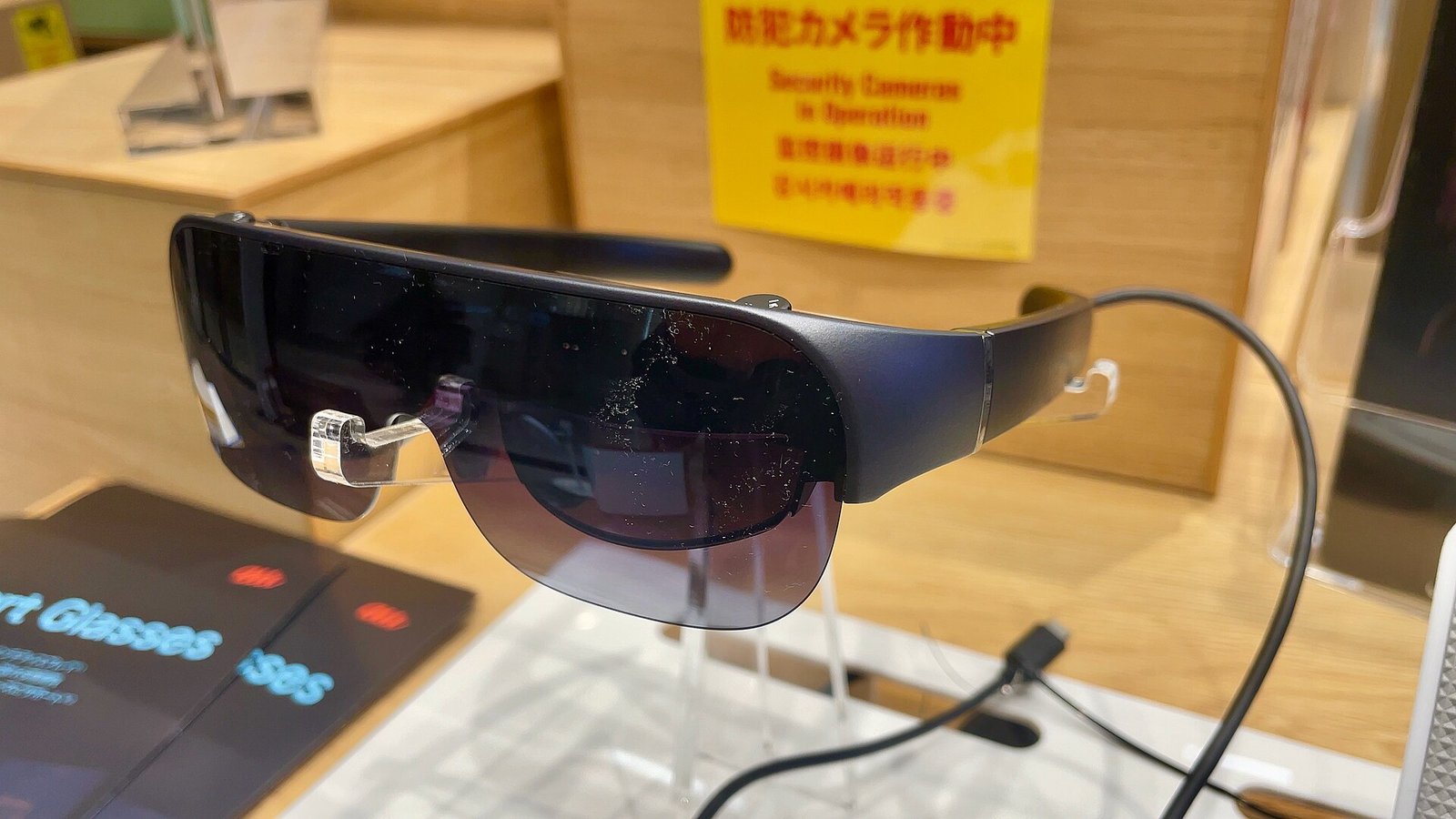
Aura does not place all of its computing hardware inside the frames. The 95-gram glasses connect to a separate pocket-size device that supplies processing power and battery life. That design keeps the eyewear lighter than a full headset, although users still have to carry and connect the companion unit.
The glasses use Micro-OLED displays with 1200p resolution and a 120Hz refresh rate. They provide a 70-degree diagonal field of view, while open-ear audio tuned by Bose handles sound. The external unit includes 12GB of memory and 256GB of storage in the base configuration.
A higher-capacity model with 16GB of memory and 512GB of storage is also available at a promotional $1,299, down from its standard $1,499 price. Xreal expects shipments to begin in mid-November, with the first launch covering several markets including the United States and Canada.
Android apps meet spatial displays
Android XR gives Aura access to familiar Google Play apps as well as more than 150 experiences designed for extended reality. Users can arrange multiple virtual windows, watch entertainment on a large simulated screen or connect a computer and handheld game system through USB-C.
Gemini is integrated as an assistant that can respond to questions about what appears on screen. Google Photos is also getting an XR gallery designed to place a user’s library around them and open selected memories in 3D.
The product enters a rapidly developing market that includes Meta’s display glasses and larger devices such as Apple Vision Pro. Aura’s lower launch price, transparent display and separate compute puck give it a different balance of portability and power. The tradeoff is clear: it is lighter on the face than a traditional headset, but it is not a completely untethered pair of everyday glasses.
For Google, the launch is also a test of the partner strategy that made Android common on phones. Rather than building every device itself, the company is supplying the software while Xreal brings the first wired Android XR glasses to consumers.
TikTok Launches Must Eat Restaurant Guides in Three U.S. Cities

Ethan Cole
Technology EditorEthan Cole covers technology, digital platforms, consumer products, artificial intelligence and the technologies shaping modern culture.
View all 62 stories by this author →Enjoying this story?
Get Lodly in your inbox every morning at 6:00 AM.